

Quick Summary
Urban airborne pollutants and particulate matter accelerate premature aging, chronic inflammation, and barrier breakdown, necessitating targeted pollution protection skincare rather than one-size-fits-all creams. Christina Cosmeceuticals provides a clinical defense system with specialized lines like Unstress and Bio Phyto, utilizing high-potency antioxidant delivery systems to neutralize airborne toxins and rebuild the skin barrier. Readers will learn how to identify distinct patterns of environmental damage and can shop the Unstress and Line Repair collections to build a customized daily defense routine.
Pollution Protection Skincare: Match Defense to the Damage Your Clients See
Why do some urban clients develop dullness, sensitivity, and stubborn pigmentation faster than their skincare routine should allow? In many cases, the answer is not just sun exposure or age. Daily exposure to particulate matter, ozone, vehicle exhaust, and indoor pollutants gradually weakens the skin barrier and speeds up visible damage. That is why pollution protection skincare has to be more than a single antioxidant serum or a basic barrier cream. It should match the pattern of damage the skin is actually showing.[1]
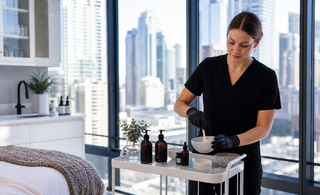
Christina Cosmeceuticals approaches this as a clinical defense strategy, not a one-product fix. Its Unstress line was developed for irritation and premature aging linked to environmental stress, while Bio Phyto supports detoxification and barrier resilience. With high-potency antioxidant delivery systems such as Nutrient Bio Satin Serum and Theraskin+HA, these formulas help neutralize free radicals while supporting skin function more effectively than many standard retail options. The result is a dual-phase system, professional treatment in clinic, plus daily home care that helps clients cope with real-world urban conditions.
Here is how to identify the type of pollution damage in front of you, and how to build the right defense for each one.
Pollution Protection Skincare Is Not One Protocol - It Is Four
Urban pollution drives four common skin outcomes, pigmentation, chronic inflammation, dehydration, and barrier degradation. Treating this damage calls for targeted professional skincare treatments rather than a generic antioxidant claim, with defense matched to the exact environmental stress your client presents.
Particulate matter, especially PM2.5, can penetrate deeper than many people expect, driving oxidative stress that accelerates wrinkles and dark spots. Peer-reviewed studies consistently link air pollution with skin barrier dysfunction, inflammation, pigment spots, and wrinkle formation. The practical takeaway for estheticians is simple, pollution defense works best when it is tied to the visible concern in front of you.[3]
For environmental skin repair alongside repairing sun damaged skin, a dual-phase system makes the most sense. Christina Cosmeceuticals uses this approach by pairing clinical detox protocols with daily protective regimens. Rather than relying on basic anti pollution skincare products, targeted lines like Unstress and Bio Phyto bring professional cosmeceutical strengths to the barrier, antioxidant network, and recovery process.[2]
Quick Comparison: How Pollution Amplifies 4 Core Skin Concerns
Pollution does not affect every client the same way. In some skin types, it shows up first as redness and stinging. In others, it deepens discoloration, worsens dehydration, or makes fine lines look more pronounced. To prescribe anti pollution skincare products effectively, estheticians need a chairside framework that matches the visible issue to the right kind of support.
Pollution also accelerates aging. Studies have linked traffic-related air pollution and PM exposure with more visible pigmentation and wrinkle development. Repairing sun damaged skin is only part of the picture. Urban clients often need a routine that addresses oxidative stress, barrier stress, and inflammation at the same time.[4]
| Skin Concern | How Pollution Worsens It | Key Active Strategy | Recommended Professional Line |
|---|---|---|---|
| Pigmentation | PM and traffic pollution can increase oxidative stress and stimulate pigment pathways | Tyrosinase inhibitors + antioxidants | Illustrious |
| Inflammation & Sensitivity | Airborne pollutants can trigger cytokine activity and barrier irritation | Anti-inflammatory botanicals + sealants | Unstress |
| Dehydration & Dullness | Ozone and particulate exposure can deplete lipids and increase water loss | Hyaluronic acid + ceramides | Line Repair / Theraskin+HA |
| Barrier Degradation & Aging | Free radical activity can weaken collagen and speed visible aging | Retinoids + peptides | Forever Young / Bio Phyto |
1. How Does Air Pollution Actually Damage the Skin Barrier?
Air pollution damages the skin barrier through oxidative stress. Particulate matter, polycyclic aromatic hydrocarbons, and ozone can reach the outer skin layers, generate free radicals, deplete natural antioxidants, and trigger inflammation. Over time, this process breaks down collagen, disrupts lipid structure, increases water loss, and accelerates visible signs of aging such as wrinkles and dark spots.
Airborne particles and gases do not just sit on the surface. They interact with the stratum corneum and the skin’s antioxidant defenses, which is why some clients look more reactive after commuting, outdoor work, or even long stretches in heavily polluted indoor environments. The barrier gets hit first, then the visible changes follow.
- Acute exposure effects: Immediate oxidative stress can show up as redness, stinging, and irritation within hours of smog exposure.
- Chronic cumulative damage: Repeated exposure can speed photoaging, worsen melasma, and make repairing sun damaged skin more difficult.
The evidence linking particulate air pollution with barrier dysfunction is well established. For estheticians, that means pollution defense is not a trend category. It is part of environmental skin repair, especially for clients who already show sensitivity, dehydration, or pigment irregularities.
2. What Are the Best Ingredients for Pollution Protection Skincare?
The most effective ingredients in pollution protection skincare usually fall into four groups: antioxidants, barrier rebuilders, detox-supportive botanicals, and film-forming protectants that help reduce particle adhesion. Professional formulas tend to be more useful here because they can combine these functions in a single routine without overloading the skin.
The key is not choosing one hero ingredient and calling it protection. A client exposed to city air often needs a layered routine that includes free radical control, barrier support, and ingredients that help the skin recover after exposure. That is why many estheticians prefer professional-grade systems over basic retail serums.
| Ingredient Function | Key Cosmeceutical Actives | Primary Clinical Action |
|---|---|---|
| Antioxidant Neutralizers | Vitamin C, Vitamin E, Niacinamide, Ferulic Acid | Help neutralize free radicals and slow oxidative stress |
| Barrier Rebuilders | Ceramides, Squalane, Phytosphingosine | Support the lipid matrix and reduce moisture loss |
| Detox-Supportive Actives | Green Tea Polyphenols, Algae Extracts, Botanical Extracts | Help calm visible irritation and support recovery |
| Protectants | Film-forming polymers | Help reduce direct contact between pollutants and skin |
For clients with daily urban exposure, ingredient selection should follow the concern. Pigmentation calls for brightening support and antioxidants. Sensitivity needs barrier-repairing actives. Dryness benefits from humectants plus lipids. That is how pollution defense becomes a treatment protocol instead of a generic claim.
3. Can Antioxidants Truly Shield Skin From Smog and Particulate Matter?
Antioxidants can help protect skin from smog and particulate matter, but only when they are used in the right combination and at meaningful concentrations. A single antioxidant rarely handles the full burden of urban exposure. A multi-antioxidant system is more realistic because different antioxidants support one another and broaden the skin’s defense against oxidative damage.
That matters in practice. If a client is exposed to traffic pollution every day, the skin is not dealing with one stressor, but several. Antioxidants help, yet they work best as part of a larger plan that also includes barrier repair and daily cleansing.
Clinical evaluations of antipollution antioxidant formulas have reported improvements in transepidermal water loss, dark spots, and oxidative stress markers over time. Those results are one reason professional-strength systems continue to outperform simpler retail options when the goal is visible environmental skin repair.
| Formulation Type | Performance in Urban Environments |
|---|---|
| Single-Ingredient Serums | May help, but they usually do not cover the full range of pollution-related stress |
| Multi-Antioxidant Systems | Provide broader support, especially when vitamin C, vitamin E, and ferulic acid are paired well |
This is one reason professional delivery systems, like Christina Cosmeceuticals Nutrient Bio Satin Serum, are often a better fit for clients who need more than basic hydration or a generic antioxidant layer.
4. Sunscreen vs. Anti-Pollution Skincare: What Each Layer Actually Does
Sunscreen and pollution protection skincare are not the same thing. Sunscreen filters ultraviolet radiation, which is still essential for preventing photodamage. Anti-pollution products focus on another problem, neutralizing free radicals, helping limit pollutant adhesion, and supporting the barrier against environmental stress.
Clients in cities need both. SPF helps with UV exposure, but it does not fully address smog, particulate buildup, or ozone-related stress. Pollution defense is not a replacement for sunscreen, it is the next layer of protection.
For estheticians, this distinction matters when building professional skincare treatments. If a client is dealing with dullness, pigmentation, and sensitivity, a routine that includes SPF plus environmental defense is usually more appropriate than relying on sunscreen alone. Christina Cosmeceuticals Illustrious Day Cream SPF is a good example of a product positioned for that combined need.
5. Does Blue Light Exposure Count as Pollution Damage?
Blue light from screens and indoor lighting is not pollution in the strict chemical sense, but it does belong in the broader conversation about environmental stress. High-energy visible light can contribute to oxidative stress and may worsen hyperpigmentation, especially in skin types more prone to discoloration.
That is why many professionals include blue light protection within a broader pollution protection skincare plan. It is less about treating screens as smog and more about recognizing that clients are exposed to multiple daily stressors that can add up over time.
For clients with significant screen time, ingredients such as iron oxides and antioxidant-rich formulas can be useful. Tinted mineral SPF can help reduce visible light exposure, while antioxidants support the skin’s response to oxidative stress. For darker skin tones, this can be especially relevant when the concern is uneven tone or post-inflammatory hyperpigmentation.[5]
- Iron Oxides: Helpful in tinted mineral SPF formulas for visible light defense.
- Antioxidants: Support the skin’s response to free radicals linked to HEV exposure.
6. How to Build a Daily Anti-Pollution Skincare Routine for Urban Clients
A daily routine for urban clients should have two jobs, protect in the morning and clear the skin at night. Morning care should focus on antioxidant support, barrier protection, and SPF. Evening care should remove particulate buildup and help the skin recover from the day.
Pollution can affect the skin in negative ways, from vessels to background redness, rosacea, high pigmentation, dull skin and premature fine lines.
That clinical reality is why a one-step routine usually falls short. The more polluted the environment, the more important it becomes to separate defense from repair. Christina Cosmeceuticals uses this approach by pairing Bio Phyto in-clinic herbal detox professional skincare treatments with the Unstress daily protective home-care regimen. Oily or acne-prone skin usually does better with lighter textures, while mature or dehydrated skin often needs richer support.
Morning Protocol: Shield and Neutralize
- Cleanse: Use a gentle cleanser that does not strip the lipid barrier.
- Neutralize: Apply a multi-antioxidant serum to help reduce free radical activity.
- Shield: Finish with a barrier-supporting moisturizer and broad-spectrum SPF.
Evening Protocol: Cleanse and Repair
- Double Cleanse: Remove makeup, oxidized sebum, and particulate buildup.
- Repair: Use a night serum with peptides, ceramides, or hydrating actives.
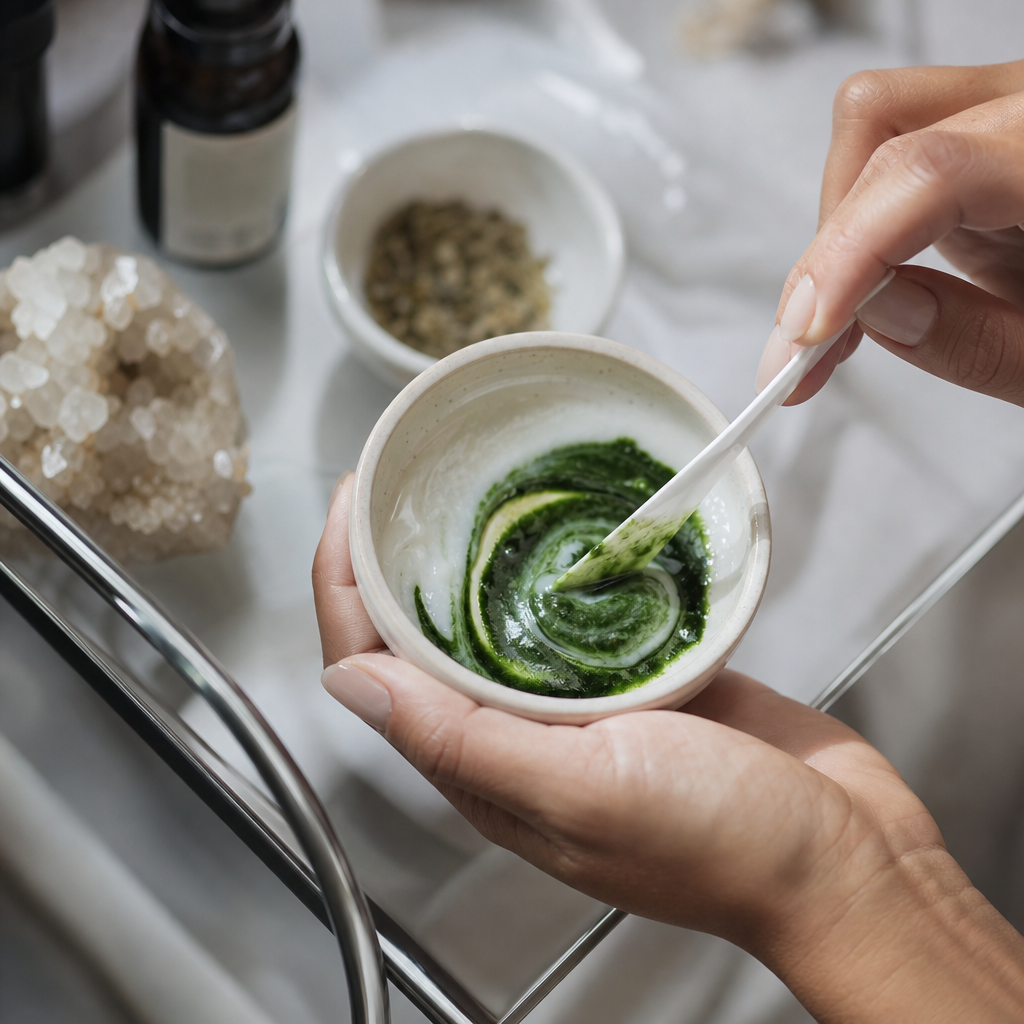
- Detox Weekly: Add a clay or herbal treatment mask when the skin needs an extra reset.
7. Pollution and Pigmentation: Why Urban Clients Get Worse Dark Spots
Urban clients often develop more stubborn dark spots because pollution can influence pigment pathways as well as inflammation. Traffic-related pollution and particulate matter have been linked to darker patches and uneven tone, especially in clients who already have post-inflammatory pigmentation or melasma concerns.
The issue is not only sun exposure. Pollution can increase oxidative stress in ways that encourage pigment formation, which is why a standard brightening serum may not be enough on its own. A client who spends a lot of time outdoors in a city often needs both pigment control and pollution defense.
That is where a line like Christina Cosmeceuticals Illustrious fits well. For estheticians, the goal is not to promise an instant fix, but to build a routine that supports tone correction while also reducing the environmental triggers that keep pigment active.
8. Pollution and Inflammation: Treating Chronic Sensitivity in City Dwellers
Pollution can keep the skin in a low-grade inflammatory state, which often shows up as sensitivity, flushing, tightness, or irritation that clients cannot quite explain. In practice, this can look a lot like rosacea or barrier exhaustion.
When that happens, aggressive exfoliation usually makes things worse. A better approach is to calm the skin, strengthen the barrier, and reduce the number of irritants in the routine. That is especially important for clients who are already dealing with dryness or compromised tolerance.
The Christina Cosmeceuticals Unstress line is designed for exactly this kind of presentation. For clients who need environmental skin repair without overstimulating the skin, it gives estheticians a practical option for daily support and in-clinic care.
9. Why Over-the-Counter Anti-Pollution Products Fall Short
Over-the-counter formulas often fall short because they rely on light hydration or surface occlusion instead of deeper support. They may feel nice on the skin, but they often do not go far enough for clients exposed to urban pollution every day.
Professional formulas can do more because they are built around stronger actives and better delivery systems. That matters when the goal is not just comfort, but visible improvement in dullness, pigmentation, or barrier stress. For clients who need repairing sun damaged skin alongside pollution defense, professional-grade products are usually the better investment.
| Feature | Mass-Market Creams | Professional Cosmeceuticals |
|---|---|---|
| Delivery System | Mostly surface-level hydration | Designed for stronger active delivery |
| Cellular Action | Basic moisturization | Supports antioxidant defense and barrier recovery |
For estheticians, the advantage is clear. Professional skincare treatments give you more control over the protocol, which makes it easier to match the routine to the skin concern instead of relying on a generic anti-pollution label.
10. Frequently Asked Questions About Pollution Protection Skincare
Urban skin care works best when the routine is specific, not vague. These are the questions clients ask most often when they want real-world protection from pollution, smog, and daily environmental stress.
How often should I use a detox mask or treatment?
For most urban clients, once a week is enough. Sensitive skin may do better with a gentler treatment every other week.
Can anti-pollution skincare products replace sunscreen?
No. They address different forms of damage and work best when used together.
Is protection necessary if I work from home?
Yes. Indoor air can still contain VOCs, dust, and other irritants, and screen exposure may still matter for some clients.
What are the signs of pollution damage?
Look for dullness, uneven tone, sensitivity, dehydration, and fine lines that seem to progress faster than expected.
Christina Cosmeceuticals supports clinical defense with the Unstress, Bio Phyto, Illustrious, and Line Repair lines. High-potency delivery systems like Nutrient Bio Satin Serum and Theraskin+HA help support urban skin more effectively than many standard retail formulas. Shop the Unstress and Line Repair anti-pollution collections at Christina Cosmeceuticals to build a daily environmental defense routine that fits the client in front of you.
Sources
- Long-Term PM2.5 Exposure and Clinical Skin Aging - PMC - pmc.ncbi.nlm.nih.gov (2025)
- Air Pollution and Skin Diseases - PMC - NIH - pmc.ncbi.nlm.nih.gov (2025)
- Association between fine particulate matter and eczema - PMC - pmc.ncbi.nlm.nih.gov (2024)
- Indoor PM2.5 exposure affects skin aging manifestation in a ... - pmc.ncbi.nlm.nih.gov (2017)
- Systematic Review and Meta-Analysis of Human Skin ... - pmc.ncbi.nlm.nih.gov (2017)
Related reading: Professional Skincare vs Over the Counter: Why Protocol Beats Product
Related reading: How to Treat a Damaged Skin Barrier Without Stopping Care
Frequently Asked Questions
How do I safely layer anti-pollution products with potent actives like retinol or exfoliating acids?
Apply your antioxidant shields and hydrating formulas in the morning, reserving exfoliating acids or retinoids for evening home care after thoroughly double cleansing away airborne particulate matter. When skin is sensitized by city smog, integrate soothing solutions like the Christina Cosmeceuticals Unstress line to rebuild barrier lipids before reintroducing strong chemical exfoliants.
Does standard facial cleansing remove microscopic PM2.5 pollution particles effectively?
Standard single cleansing often leaves behind microscopic particulate matter and oxidized sebum trapped in the pores and stratum corneum. A dedicated evening double cleanse breaks down lipophilic pollutants without stripping moisture, preparing the skin to absorb restorative formulas like Christina Cosmeceuticals Line Repair and Theraskin+HA.
How quickly can professional anti-pollution skincare repair an environmentally compromised barrier?
Surface dehydration and acute redness often improve within 3 to 7 days of proper lipid replenishment, whereas resolving chronic inflammation and pollution-induced pigmentation typically takes 4 to 8 weeks. Pairing daily home defense with professional in-clinic protocols, such as Christina Cosmeceuticals Bio Phyto herbal detox treatments, accelerates the skin's cellular recovery cycle.