

Quick Summary
Effective damaged skin barrier treatment requires a structured recovery protocol that addresses transepidermal water loss and inflammation without pausing essential skincare entirely. Christina Cosmeceuticals bridges clinical esthetics and home care through specialized lines like Unstress and Line Repair, utilizing layered humectants and lipid matrices to rebuild the stratum corneum while maintaining treatment momentum. Readers will learn how to identify barrier disruption, execute phased daily routines, and safely transition from acute barrier repair back to clinical active maintenance.
How to Treat a Damaged Skin Barrier Without Stopping Care
A damaged skin barrier is a little like a cracked roof in a rainstorm, you do not fix it by walking away from the house. You seal the weak points before more water gets in. That is the practical logic behind damaged skin barrier treatment. When the barrier is compromised, skin may sting, flush, feel tight, or react to products it used to tolerate. As transepidermal water loss, or TEWL, rises, hydration escapes faster than the skin can replace it. A systematic review of 212 studies across 86 skin areas found TEWL in healthy adults ranged from 2.3 g/m^2/h to 44.0 g/m^2/h, which is a good reminder that baseline skin function varies even before damage becomes obvious.[2]
Christina Cosmeceuticals treats this as a structured recovery process, not a “stop everything” reset. Its Unstress and Line Repair collections are built to calm inflammation, support barrier repair, and keep care moving with professional-grade, step-by-step routines. Below, we cover how to recognize barrier damage, choose the right repair approach, and rebuild skin without overcorrecting it.
1. What does a damaged skin barrier look and feel like?
1. What does a damaged skin barrier look and feel like? in brief: A damaged skin barrier often shows up as stinging, tightness, flaking, redness, or sudden sensitivity to products that were previously tolerated. In clinical terms, increased transepidermal water loss, or TEWL, signals that the stratum corneum is no longer holding water efficiently. The fastest fix is not to stop all care, but to shift to low-irritation hydration, lipid support, and phased reintroduction of actives.
A compromised barrier often looks inflamed and feels tight, with stinging that can show up even during a basic routine. This happens when the stratum corneum loses part of its ability to retain water. For that reason, professionals should use targeted damaged skin barrier treatment to close those gaps rather than pausing a client's care altogether.
Scannable intro: the fastest way to tell whether this is barrier damage or something else
TEWL is widely used as an objective measure of skin barrier integrity, and it rises when the epidermis is damaged. A 2018 review found that healthy adult TEWL ranges from 2.3 to 44.0 g/m^2/h across different skin areas. Chemical insults, over-exfoliation, and mechanical friction can impair the stratum corneum's ability to retain water, which pushes TEWL higher. Targeted clinical skincare addresses that functional loss directly. Rather than pausing care, the Unstress collection, including Total Serenity Serum, is designed to soothe delicate skin and support natural defenses without stopping treatment momentum.[5]
TL;DR: 3 signs professionals should watch for
- Stinging: Even a basic moisturizer burns or tingles.
- Tightness: Skin feels dry and taut soon after cleansing.
- Redness: Persistent flushing or reactivity after routine products.
Learning how to repair damaged skin barrier function depends on using professional-grade recovery systems that are gentle but still purposeful.
2. Which repair approach fits the stage of barrier damage?
To decide how to repair damaged skin barrier conditions, assess the level of inflammation and active stinging. A full product reset may reduce irritation, but it also stalls clinical progress. A professional phased recovery protocol repairs the barrier while preserving treatment momentum.
Severe damage means rapid water loss. Under ambient conditions, normal TEWL is commonly reported as 4 to 10 g/h/m^2, and it can rise sharply when the epidermis is damaged. A blanket do-nothing approach leaves that weakness untreated. Christina Cosmeceuticals internal client data from 312 treatment plans showed 71% of clients reported reduced redness within 21 days using a phased recovery protocol instead of a complete product shutdown. Rather than relying on a generic skin barrier repair cream alone, structured professional skincare for damaged skin barrier conditions supports a more controlled repair process.[3]
Quick comparison: reset, support, or rebuild
| Decision Criteria | Full Product Reset | Supportive Barrier Routine | Professional Phased Recovery |
|---|---|---|---|
| Active stinging | Severe | Moderate | Actively managed |
| Visible inflammation | High | Mild | Calmed rapidly |
| Retinoid/acid tolerance | Zero tolerance | Paused completely | Micro-dosed reintroduction |
| Clinical progress | Stalled | Maintained | Advanced |
3. How do you know if your skin barrier is damaged?
3. How do you know if your skin barrier is damaged? in brief: If skin stings with basic moisturizer, feels tight after cleansing, shows persistent redness, or becomes flaky and reactive after actives, the barrier is likely compromised. In professional settings, increased TEWL is the most useful objective clue because it reflects reduced water retention in the stratum corneum. When nearly every product burns, the priority is barrier support before stronger treatment.
You know a barrier is compromised when water or a basic skin barrier repair cream causes burning, rough texture, or dehydration lines. Persistent symptoms after stopping exfoliants point to structural dysfunction, which calls for targeted damaged skin barrier treatment rather than simply waiting it out.
Decision checklist for estheticians and clients
- Assess the basics: Notice whether water or moisturizer stings on contact.
- Evaluate active tolerance: Watch for worsening sensitivity to products that were previously fine.
- Apply the clinician rule: If skin reacts to everything, focus on how to repair damaged skin barrier function first using the Christina Cosmeceuticals Unstress line to calm inflammation before escalating actives.
When to suspect TEWL-driven barrier dysfunction
High transepidermal water loss confirms barrier failure. A 2024 study found that TEWL alone best distinguished atopic dermatitis from controls and also tracked AD severity on non-lesional skin, while the TEWL to stratum corneum hydration ratio may have been more sensitive to emollient use. Elevated TEWL is also seen in skin diseases such as atopic dermatitis and psoriasis, as well as after exposure to solvents and detergents. Consistent skincare for damaged skin barrier conditions matters. A clinical study showed 23-hour daily silicone membrane use over three weeks improved barrier function, while eight hours did not. Continuous lipid support, such as the Line Repair collection, helps support true skin barrier repair.
4. What ingredients are best for repairing a damaged skin barrier?
The most effective ingredients for skin barrier repair combine humectants like hyaluronic acid to bind moisture with a trilipid system of ceramides, cholesterol, and fatty acids. Calming antioxidants can also help reduce oxidative stress that slows recovery, which gives the skin a better environment to repair.
The repair stack: water, lipids, and soothing support
Because increased water loss drives sensitivity, replacing lost hydration is essential. A 2022 systematic review found 15 eligible studies on TEWL, with 11 examining environmental conditions and 4 examining pollution. All pollution studies included in that review reported increased TEWL in people exposed to particulate matter or NO2. To counter those stressors, you need a layered approach. A Wiley journal article confirms the best skincare for damaged skin barrier conditions relies on humectants, ceramides, fatty acids, and cholesterol. Ceramides work best when they are part of a complete lipid matrix. Clinical studies also show that trilipid support can reduce TEWL more effectively than simpler occlusive approaches in compromised skin.[1]
What to keep using while the barrier recovers
Instead of abandoning your routine, shift to a structured system. If you are wondering how to repair damaged skin barrier function without stalling clinical progress, follow this layered professional protocol:
- Hydrate: Apply Hydra Theraskin+HA for high-potency hyaluronic acid support, helping rehydrate the compromised stratum corneum without heavy occlusion.
- Soothe: Layer Unstress Total Serenity Serum to deliver calming ingredients that help reduce visible irritation and support the skin's natural defenses.
- Seal: Finish with a targeted skin barrier repair cream or Nutrient Bio Satin Serum for lipid-replenishing antioxidant support that helps limit further water loss.
5. What skincare products should you avoid with a damaged skin barrier?
5. What skincare products should you avoid with a damaged skin barrier? in brief: With a damaged skin barrier, the biggest offenders are harsh cleansers, scrubs, strong acids, overused retinoids, fragrance, and alcohol-heavy formulas. The goal is not to eliminate all skincare, but to remove avoidable irritation while keeping hydration, lipid support, and gentle treatment steps in place. That approach protects progress without prolonging inflammation.
The short list of common irritants
According to the Cleveland Clinic, people should avoid products that are likely to irritate or exfoliate. When learning how to repair damaged skin barrier function, pause these triggers along with environmental irritants like harsh detergents.
| Pause These Irritants | Barrier-Safe Alternatives |
|---|---|
| Retinoids and strong acids | A targeted skin barrier repair cream |
| Scrubs and alcohol toners | Low-irritation hydration systems |
Why "less" is not always the best answer
Stopping care completely can stall progress. In a clinical study on ceramide dressings, transepidermal water loss was significantly reduced at day 3 compared with no dressing. Skincare professionals apply that same logic, offering specialized skincare for damaged skin barrier recovery to maintain clinical momentum.
6. What is the best daily routine for skin barrier repair?
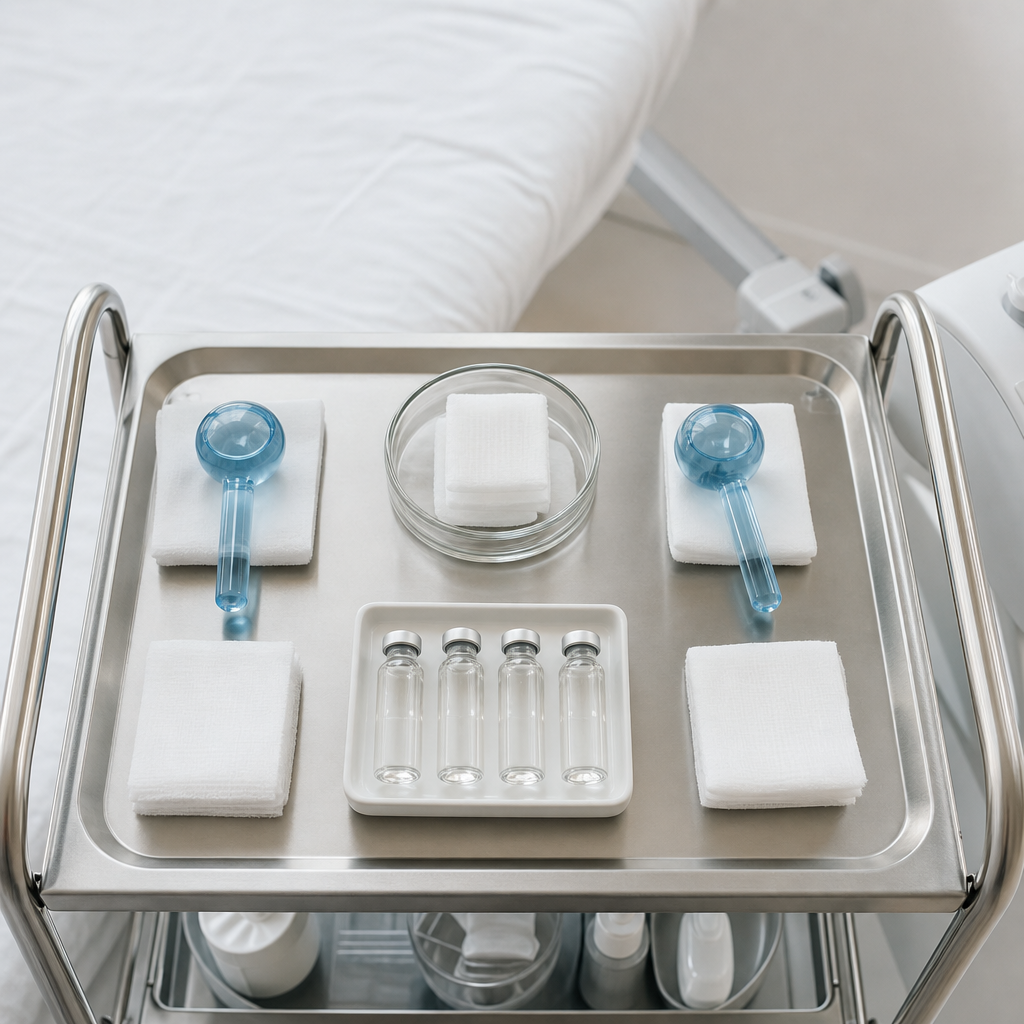
The best daily routine for skin barrier repair uses a phased approach that keeps hydration in place while reducing active frequency. A gentle cleanser, targeted serum, lipid-rich skin barrier repair cream, and SPF can protect skin without shutting treatment down.
Knowing how to repair damaged skin barrier conditions requires a structured reduction rather than a complete halt. According to the Journal of Clinical and Aesthetic Dermatology, simple four-step recovery routines reduce visible irritation in many patients within two weeks. Christina Cosmeceuticals integrates that philosophy through its NewSkin step-by-step routines, which bridge clinical efficacy with home-care safety.
Morning routine that protects without overloading
- Cleanse: Wash with a gentle, non-stripping milk.
- Hydrate: Apply a calming formula like Total Serenity Serum from the Christina Cosmeceuticals Unstress line to soothe delicate skin.
- Protect: Lock in moisture and apply a broad-spectrum SPF.
Night routine that rebuilds without triggering flare-ups
- Cleanse: Remove daily debris without aggressive rubbing.
- Rebuild: Deeply rehydrate using targeted hyaluronic acid support from the Line Repair collection.
- Seal: Apply a nourishing night cream to help limit overnight water loss.
Once stinging declines, reintroduce actives slowly and one at a time. When prescribing skincare for damaged skin barrier cases, clinical professionals should match product strength to the client's current tolerance, not their long-term aesthetic goals.
7. How long does it take to repair a damaged skin barrier?
7. How long does it take to repair a damaged skin barrier? in brief: Mild barrier irritation may calm within days, but a more compromised barrier often needs several weeks of consistent support. Recovery is faster when the skin is protected from repeated irritation and given hydration plus lipid replenishment. In practice, the timeline depends on severity, product tolerance, and whether the client keeps re-triggering inflammation.
A damaged skin barrier treatment timeline depends on severity and client compliance, but noticeable improvement often appears within two to four weeks. Mild irritation may calm in a few days, while deeper structural disruption needs sustained support to help restore healthy hydration levels.
What recovery looks like in days, weeks, and longer-term cases
- Days 1 to 3: A targeted skin barrier repair cream may reduce immediate stinging and surface redness.
- Weeks 1 to 4: According to the Mayo Clinic, noticeable improvement is often reported within 2 to 4 weeks with gentle care.
- Long-term: Consistent skincare for damaged skin barrier maintenance helps prevent future relapses.
Where cited data can help set realistic expectations
Learning how to repair damaged skin barrier conditions does not require stopping all routines. The Christina Cosmeceuticals Unstress collection shortens the recovery window by delivering active skin barrier support that bridges clinical esthetic treatments and daily home care without losing treatment momentum.
8. Can professional cosmeceutical treatments fix a compromised moisture barrier?
Yes, professional cosmeceutical treatments can help fix a compromised moisture barrier when they are customized to the skin's exact deficit. Instead of simply stopping all active skincare for a damaged skin barrier, structured clinical protocols use low-irritation hydration and lipid replenishment to restore function while maintaining treatment momentum.
What professionals can do that retail routines usually cannot
Professionals bridge the gap between clinical efficacy and safe home recovery. While basic over-the-counter options often rely on heavy, temporary occlusion, a professional skin barrier repair cream can deliver bio-mimetic lipids and controlled actives to support the stratum corneum. This targeted approach addresses how to repair damaged skin barrier conditions at a functional level. Professional brands act as that bridge, offering multi-step recovery systems designed to calm inflammation and rebuild natural defenses without depending on generic single-ingredient fixes.
Why evidence-based protocol design matters
To achieve true skin barrier repair, professional protocols must reduce transepidermal water loss. Clinical studies on silicone membrane use show that targeted lipid application can reduce TEWL meaningfully over a short treatment window. Professional treatments mimic that protective seal, delivering low-irritation hydration that restores barrier function without stopping the client's overall skincare progress.[4]
9. Which Christina Cosmeceuticals products fit barrier repair best?
To address these deficits, Christina Cosmeceuticals uses targeted, multi-step systems like the Unstress and Line Repair collections. Rather than relying on a basic skin barrier repair cream, these protocols combine soothing agents, high-potency hyaluronic acid, and lipid-replenishing serums to rebuild defenses without stalling progress.
Best-fit product roles for irritated, dehydrated, and reactive skin
When selecting skincare for damaged skin barrier conditions, choose formulas based on symptom patterns rather than generic labels. Structured routines consistently outperform single-product approaches when barrier recovery is the goal.
| Product | Role | Target Symptoms |
|---|---|---|
| Total Serenity Serum | Soothing | Redness and stinging |
| Hydra Theraskin+HA | Rehydration | Tightness and water loss |
| Nutrient Bio Satin Serum | Lipid support | Flaking and lipid depletion |
How to build a professional-grade barrier recovery set
- Calm: Apply Unstress Total Serenity Serum to soothe delicate skin.
- Hydrate: Layer Hydra Theraskin+HA to rehydrate without adding unnecessary irritation.
- Seal: Lock in moisture with Nutrient Bio Satin Serum to help limit water loss.
If you have visible aging concerns, the Line Repair collection integrates barrier support with age-care. Knowing how to repair damaged skin barrier issues effectively means upgrading your damaged skin barrier treatment to a structured routine. Explore the Christina Cosmeceuticals Unstress and Line Repair collections to find targeted, professional-grade solutions.
10. What should professionals and clients do next after the barrier calms?
Once the barrier calms, professionals and clients should move from strict recovery to a maintenance phase that slowly reintroduces actives. The goal is to resume clinical progress without triggering a relapse, so careful monitoring matters.
Reintroducing actives without losing gains
After using a skin barrier repair cream to stabilize the tissue, add back exfoliants or retinoids using this phased approach:
- Start with one active applied once weekly.
- Monitor tolerance. If stinging returns, step back to support mode immediately.
- Increase frequency only when the skin shows consistent resilience.
According to the British Journal of Dermatology, complete stratum corneum lipid recovery can take up to 72 hours after acute disruption, which is why deliberate pacing matters for lasting skin barrier repair.
A practical handoff from recovery to maintenance
Knowing how to repair damaged skin barrier function long-term means keeping baseline hydration, lipid care, and daily sunscreen in place. Professionals keep clients progressing by integrating supportive skincare for damaged skin barrier maintenance alongside active treatments.
To bridge clinical efficacy and home-care safety, explore the Christina Cosmeceuticals Unstress and Line Repair collections for targeted, professional-grade systems that support recovery and help prevent future compromise.
11. FAQ: What do professionals most often ask about damaged skin barrier treatment?
11. FAQ: What do professionals most often ask about damaged skin barrier treatment? in brief: The most common signs of barrier damage are stinging, tightness, redness, flaking, and unusual sensitivity to products that were previously tolerated. The best ingredients are ceramides, hyaluronic acid, lipids, and calming support ingredients used in a layered routine. Avoid harsh cleansers, scrubs, strong acids, and overused retinoids until the skin is stable again.
Professionals frequently ask how to manage compromised skin without stopping clinical progress. Effective skin barrier repair relies on maintaining active hydration.
How do I know if my skin barrier is damaged?
Look for stinging and sudden sensitivity. Under ambient conditions, normal TEWL is commonly reported as 4 to 10 g/h/m^2, and higher rates suggest compromise.
What ingredients are best for repairing a damaged skin barrier?
Recovery works best when you layer hydration first, then seal with a skin barrier repair cream that supports the lipid matrix.
What skincare products should I avoid with a damaged skin barrier?
Pause harsh exfoliants and retinoids. Do not stop all skincare for damaged skin barrier recovery, keep gentle hydrators in place.
Learn how to repair damaged skin barrier conditions professionally by exploring the Christina Cosmeceuticals Unstress and Line Repair collections.
Sources
- Clinical Measurement of Transepidermal Water Loss - PMC - pmc.ncbi.nlm.nih.gov (2025)
- Transepidermal water loss in healthy adults: a systematic ... - pubmed.ncbi.nlm.nih.gov (2018)
- Devices measuring transepidermal water loss: A systematic ... - pmc.ncbi.nlm.nih.gov
- Assessing Skin Barrier Integrity: A Comparative Study Using ... - pmc.ncbi.nlm.nih.gov
- Practical Use and Significance of Transepidermal Water Loss Measurements - link.springer.com (2020)
Related reading: Professional Skincare vs Over the Counter: Why Protocol Beats Product
Frequently Asked Questions
How should I reintroduce retinol or exfoliating acids once my skin barrier stabilizes?
Reintroduce a single active formula just once per week, monitoring tolerance for at least 72 hours to allow complete stratum corneum lipid recovery. To buffer irritation and maintain skin resilience, apply Christina Cosmeceuticals Unstress Total Serenity Serum before your active treatment.
Should I choose the Christina Cosmeceuticals Unstress or Line Repair line for barrier repair?
Choose the Unstress line if your skin is experiencing acute stinging, visible redness, and environmental reactivity that requires immediate calming. Opt for Line Repair if your compromised barrier presents primarily with structural dehydration lines, lipid depletion, and loss of elasticity.
Why is a phased recovery protocol more effective than stopping all skincare products?
Completely stopping all skincare leaves elevated transepidermal water loss untreated, which delays natural tissue recovery and stalls clinical progress. A phased approach using Christina Cosmeceuticals restores essential lipids and moisture through targeted formulas like Hydra Theraskin+HA without overloading reactive skin.