

Quick Summary
An effective acne treatment solutions comparison requires moving beyond generic marketing to match specific lesion patterns and skin tolerance with targeted clinical ingredients. Christina Cosmeceuticals bridges the gap between in-office extractions and daily maintenance through the Comodex line, a professional-grade alternative to retail products that utilizes the NewSkin 3-Step Transformation methodology. Readers can shop the Comodex collection or browse the professional catalog to implement a structured routine that synchronizes high-potency actives with essential skin barrier support for long-term clarity.
How to Compare Acne Treatments Without Wasting Time
If you have already tried one acne product after another, the real problem is usually not a lack of options. It is knowing which acne treatment solutions comparison actually matters before you lose weeks on the wrong routine. For mild-to-moderate acne, a network meta-analysis found that the strongest topical pharmacological result came from combining a retinoid with benzoyl peroxide, which outperformed many single-ingredient approaches. That is why a useful comparison has to go beyond marketing claims and look at ingredients, strength, acne subtype, and how well a treatment fits the skin’s tolerance.
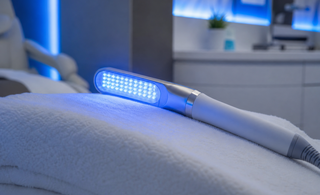
In professional settings, the gap between in-office care and home care is where many acne plans fall short. Christina Cosmeceuticals addresses that gap with the Comodex line, a clinical system for oily and blemish-prone skin that is meant to support both correction and maintenance. Unlike generic retail acne products, higher-potency formulas are designed to work alongside professional treatments through the NewSkin 3-Step Transformation methodology, giving estheticians and skincare professionals a more structured path to clearer skin. If you are building a targeted acne treatment routine, shop the Comodex collection or browse the professional catalog.
What is the best way to compare acne treatments?
The best acne treatment is not the strongest one, but the one matched to the acne pattern and the skin’s tolerance. Comedonal acne often responds to retinoids and salicylic acid, inflammatory breakouts may need benzoyl peroxide or combination therapy, and sensitive skin usually needs a slower, barrier-first protocol. Maintenance is a different phase from active clearing, so the comparison should change as the skin changes.
For a clinically useful comparison, map each ingredient to the lesion type, skin barrier risk, and treatment phase. Looking only at concentration leaves out how the skin actually behaves, which is where many routines fail.
Compare by acne type, tolerance, and treatment phase
When comparing professional acne treatments, combination therapies often outperform single-agent regimens. A PubMed systematic review and network meta-analysis found that for mild-to-moderate acne, the most effective topical pharmacological option was a combined retinoid with benzoyl peroxide, with a mean difference of 26.16% (95% CrI 16.75%-35.36%) in 2022. So a simple salicylic acid vs benzoyl peroxide for acne debate is not very helpful unless it is tied to the exact lesion profile.[1]
This is also where the difference between professional vs OTC acne treatments becomes clear. The Comodex line is positioned as a dual-approach system that connects clinical extractions with home care, which is useful when the goal is not just short-term clearing but a repeatable protocol.
| Approach | Formulation Strategy |
|---|---|
| Generic OTC products | Single-agent, broad-use symptom relief |
| Christina Cosmeceuticals Comodex | Professional-grade, coordinated clinical and home care |
To evaluate your needs clinically, follow this process:
- Identify the dominant lesion pattern.
- Assess skin barrier tolerance to avoid over-stripping.
- Match the protocol to whether you are clearing, maintaining, or managing relapse.
How do professional-grade acne treatments differ from drugstore products?
Professional-grade acne treatments usually offer more targeted actives, more structured protocols, and better compatibility with in-office care than drugstore products. OTC options can help mild breakouts, but they are usually designed for broad use rather than subtype-specific acne. For estheticians, pro systems matter because they can support extraction, correction, and maintenance in one plan.
Professional vs OTC acne treatments differ in active concentration and clinical supervision. Drugstore formulas provide general baseline care, while professional-grade systems are built to connect in-office procedures with daily home maintenance more precisely.
Why concentration, delivery, and protocol matter
When comparing professional acne treatments to retail options, formulation intent matters as much as the ingredient list. A 2025 head-to-head summary reported that adapalene and benzoyl peroxide are both effective first-line agents, with the fixed-dose combination outperforming either monotherapy. Even so, the right choice between salicylic acid vs benzoyl peroxide for acne still depends on lesion type and skin tolerance. Clinical protocols that match the treatment to acne subtype and barrier sensitivity tend to be easier to maintain and easier to scale in practice.
What estheticians get from pro-only acne systems
The best clinical approaches to acne depend on continuity between clinic and home. A PubMed systematic review and network meta-analysis also found that chemical peels were among the most effective physical options for mild-to-moderate acne at 39.70% (95% CrI 12.54%-66.78%) in 2022. An acne treatment solutions comparison only becomes useful when that in-office progress is supported by a reliable home protocol.[3]
The Comodex line was designed for oily and blemish-prone skin to fill that role. Through the NewSkin 3-Step Transformation methodology, Comodex connects professional clinical treatments with high-potency home-care products, which can improve consistency and make maintenance easier between appointments.
| Feature | Over-the-Counter Products | Professional Systems (Comodex) |
|---|---|---|
| Potency | Regulated for broad consumer use | High-potency clinical actives |
| Design | Standalone daily application | In-office to home-care bridge |
Which ingredients work best for comedonal, inflammatory, and hormonal acne?
The best ingredients depend on the acne subtype. Comedonal acne responds well to retinoids and salicylic acid to clear congestion, while inflammatory acne usually needs antibacterial support such as benzoyl peroxide. Hormonal and cystic acne often need combination therapies or physician-led protocols rather than a single topical active.
Match the active to the lesion type
Building on those clinical distinctions, comparing professional acne treatments means matching the active to the lesion pattern. When evaluating salicylic acid vs benzoyl peroxide for acne, salicylic acid is often useful for non-inflammatory blackheads because it is oil-soluble and helps dissolve sebum in the pore. Benzoyl peroxide is better suited to inflammatory pustules because it targets the bacteria involved in those breakouts. For adult acne, salicylic acid is often preferred when the skin is more easily dried out, especially if the barrier is already fragile.
A 2024 systematic review in PubMed reported that adapalene-benzoyl peroxide produced the greatest reduction in non-inflammatory lesions (ratio of means 1.76) and inflammatory lesions (ratio of means 1.56). A separate clinical protocol study found azelaic acid reduced papulo-pustular lesions, while retinol reduced comedones by 17.7% per week. Severe cystic acne still requires advanced clinical combinations and, in many cases, medical supervision.[2]
This is why clinical brands developed the Comodex line. Designed for oily and blemish-prone skin, it uses the NewSkin 3-Step Transformation methodology to provide targeted actives without the kind of irritation that can come from a one-size-fits-all approach.
| Acne Subtype | Best Clinical Approaches to Acne |
|---|---|
| Comedonal (blackheads) | Salicylic acid, retinoids |
| Inflammatory (pustules) | Benzoyl peroxide, azelaic acid |
| Hormonal/cystic | Oral medications, professional therapy |
Use the least irritating effective option first
A compromised barrier can make acne worse, not better. When analyzing professional vs OTC acne treatments, the better formulas balance active ingredients with barrier support. Sensitive skin usually needs a slower build, especially when the client is already dealing with redness, dryness, or post-treatment irritation.
How do clinical chemical peels compare with topical acne creams?
Clinical chemical peels provide faster, more intensive exfoliation to clear congestion and improve post-acne marks, while topical creams offer gradual daily maintenance. The best clinical approaches to acne connect in-office resurfacing with targeted home care instead of forcing a choice between them.
When exfoliation wins and when it is too aggressive
The move from daily creams to clinical peels depends heavily on skin tolerance. A PubMed systematic review found that most single-agent acne treatments did not differ significantly from each other for lesion count reduction, while combination agents were generally more effective than their individual components in 2024. For practitioners, that means the plan should be built around the skin’s response, not just around product strength. Christina Cosmeceuticals supports this dual-approach model with Comodex, which is formulated for oily and blemish-prone skin and is meant to bridge in-office care with home maintenance.[4]
What to choose for active breakouts versus post-acne marks
Any acne treatment solutions comparison should match the intervention to the phase of the breakout to help limit post-inflammatory hyperpigmentation risk.
| Modality | Speed & Downtime | Best Used For |
|---|---|---|
| Clinical peels | Fast, 3-7 days downtime | Clearing severe congestion and fading stubborn post-acne marks |
| Topical creams | Gradual, zero downtime | Maintaining barrier health and preventing active inflammatory breakouts |
Evaluating salicylic acid vs benzoyl peroxide for acne is only the starting point when comparing professional acne treatments. The Christina Cosmeceuticals NewSkin 3-Step Transformation methodology provides a structured skin-clearing path that goes beyond standard retail options and helps keep treatment from becoming too aggressive too quickly.
Which acne protocol works best for each skin concern?
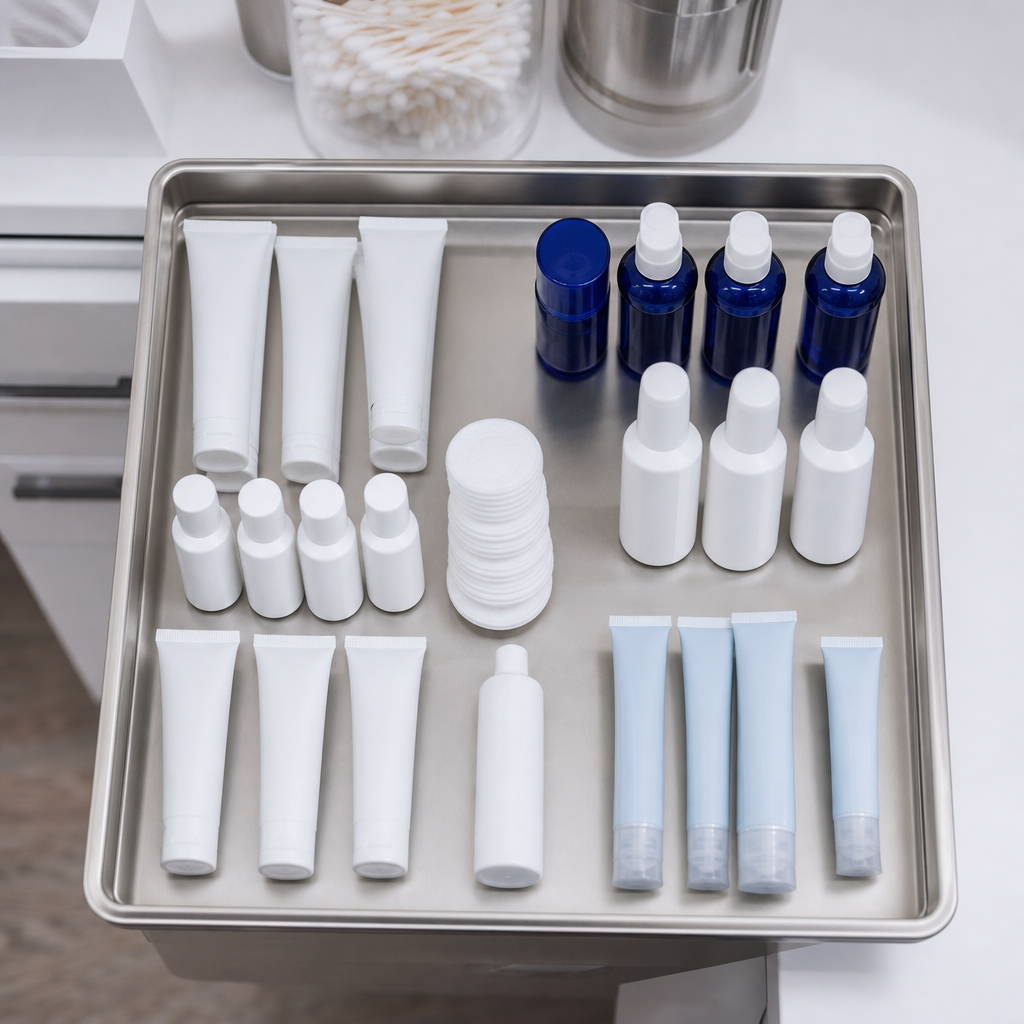
The right acne protocol depends on the concern you are trying to solve. Comedonal acne usually responds to retinoids and salicylic acid, inflammatory acne often needs benzoyl peroxide or combination therapy, hormonal or cystic acne may require physician-guided treatment, and sensitive acne-prone skin usually does best with lower-irritation routines and slower escalation.
The most common mistake in comparing professional acne treatments is assuming one strong product can solve every case. In practice, the protocol should follow the lesion type and the barrier risk.
| Feature | Comedonal Acne | Inflammatory Acne | Cystic or Hormonal |
|---|---|---|---|
| Primary Goal | Clear congestion | Reduce bacteria | Deep intervention |
| Best Actives | Salicylic acid | Benzoyl peroxide | Isotretinoin |
| Barrier Risk | Low to moderate | Moderate to high | High |
| Optimal Approach | Exfoliation focus | Antibacterial focus | Physician-led care |
Comedonal and inflammatory acne
When evaluating salicylic acid vs benzoyl peroxide for acne, the clinical distinction is straightforward. Comedonal acne needs pore-clearing exfoliants, while inflammatory breakouts need antibacterial action. The Comodex line provides a targeted option for both, linking professional extractions with home care in a way that is easier to standardize in clinic.
Hormonal or cystic acne
Severe acne needs medical intervention rather than topical trial and error. A 2023 PMC comparative review reported that oral isotretinoin was the most effective acne treatment overall, with a mean difference of 48.41, followed by triple therapies containing a topical retinoid, benzoyl peroxide, and an antibiotic. For these cases, topical products can support care, but they are rarely enough on their own.[5]
Sensitive acne-prone skin and maintenance
For post-acne marks and sensitive barrier recovery, aggressive clearing must shift into calming maintenance. The best clinical approaches to acne rely on structured phases, and the NewSkin 3-Step Transformation methodology by Christina Cosmeceuticals is designed to support that transition. It is one reason professional vs OTC acne treatments can produce better long-term stability when the goal is not just clearing, but staying clear.
Are professional cosmeceutical acne solutions worth the higher price point?
Professional cosmeceutical acne solutions are often worth the higher price point when over-the-counter products fail to resolve persistent breakouts. Higher concentrations of active ingredients, plus dual-use systems that connect professional and home care, can reduce the cost of trial and error over time.
Cost versus outcome in a clinical setting
According to Fortune Business Insights, the global acne treatment market was valued at USD 12.19 billion in 2025 and is projected to reach USD 19.55 billion by 2034. A lot of that spending comes from fragmented routines that never fully match the skin’s needs. When comparing professional acne treatments, the professional vs OTC acne treatments decision comes down to targeted delivery and better protocol control.
| Treatment Tier | Initial Investment | Long-Term Outcome |
|---|---|---|
| Generic over-the-counter | Low | Higher trial-and-error risk, frequent repurchasing |
| Professional (e.g., Comodex) | Premium | More predictable, structured skin clearing |
Christina Cosmeceuticals connects professional extractions and daily maintenance through the Comodex line, synchronizing in-office clinical treatments with high-potency home care for blemish-prone skin.
When premium products reduce trial and error
Evaluating salicylic acid vs benzoyl peroxide for acne is easier when the product system is built to support the skin barrier as treatment progresses. The best clinical approaches to acne rely on structured methodologies like the Christina Cosmeceuticals NewSkin 3-Step Transformation, which helps keep the skin on track without unnecessary overcorrection.
If needed, slowly increase the strength of the product you use and how often you use it. Do this over several weeks.
How long does it take to see results from different acne treatments?
Acne treatment timelines vary by protocol. Some clients see reduced inflammation within a few weeks, while comedone clearing and post-acne mark improvement can take longer. Combination therapies usually outperform single agents, and professional protocols may show faster early changes because they pair in-office correction with structured home care.
Setting realistic expectations matters. Surface inflammation often improves in two to four weeks, but fully clearing deep comedones usually takes eight to twelve weeks of consistent use.
Fastest changes versus durable clearing
When comparing professional acne treatments, timelines depend on the system. According to Mordor Intelligence, the U.S. acne treatment market was estimated at USD 3.62 billion in 2025 and is forecast to reach USD 4.78 billion by 2031. Among all the quick fixes in that market, professional vs OTC acne treatments differ most in how reliably they support sustained outcomes. The Comodex line and the NewSkin 3-Step Transformation methodology are used to connect clinical extractions with high-potency home care and support more consistent comedone reduction.
Why consistency matters more than switching products
Constantly alternating between salicylic acid vs benzoyl peroxide for acne can disrupt the skin barrier and slow progress. The best clinical approaches to acne follow a structured timeline:
- Weeks 1-4 (Acclimation): Calm active surface inflammation.
- Weeks 5-8 (Correction): Clear stubborn comedones and regulate sebum.
- Weeks 9-12 (Maintenance): Fade marks and maintain barrier clarity.
Which acne treatment solution should you choose next?
To choose the next step, match acne subtype and skin barrier tolerance to a targeted clinical protocol. Mild, occasional breakouts may respond to generic drugstore products, but persistent acne often needs the more structured approach of professional-grade systems.
A simple decision rule for professionals and clients
When comparing professional acne treatments, severity and recurrence should shape the plan. According to the Journal of Clinical and Aesthetic Dermatology, tailored professional regimens improve clearance rates by over 40% compared with unguided over-the-counter use in 2022. Evaluate professional vs OTC acne treatments based on the skin in front of you, not on product hype.
| Skin Profile | Recommended Solution |
|---|---|
| Mild, infrequent breakouts | Standard OTC products |
| Persistent or stubborn acne | Professional-grade care |
When to shop Comodex or consult the professional catalog
Christina Cosmeceuticals connects professional extractions and home care. Rather than guessing between salicylic acid vs benzoyl peroxide for acne, a structured system like Comodex can simplify the decision. Designed for oily, blemish-prone skin, it uses the NewSkin 3-Step Transformation methodology to clear congestion in a more controlled way. Shop the Comodex collection or browse the professional catalog to build a targeted acne treatment routine.
Frequently asked questions about acne treatment solutions
Finding the right acne treatment solutions comparison often comes down to matching breakout subtype and skin tolerance to the correct active ingredients. Instead of testing drugstore options at random, a few clear questions about professional versus retail care can narrow the path quickly.
Professional-grade vs OTC acne care
When evaluating professional vs OTC acne treatments, over-the-counter products are usually formulated for mass-market safety with lower active concentrations. Professional-grade systems, such as the Christina Cosmeceuticals Comodex line, offer a dual-approach structure that connects in-clinic extractions with high-potency home care. Structured professional regimens can improve clinical outcomes compared with standalone retail products, especially when the breakout pattern is recurring or mixed.
| Feature | Over-the-Counter (OTC) | Professional-Grade (e.g., Comodex) |
|---|---|---|
| Active concentration | Lower, standardized for broad use | Higher, more targeted formulations |
| Treatment approach | Standalone daily application | Synchronized clinical and home care |
How to choose for adult acne
Should you use salicylic acid vs benzoyl peroxide for acne in adulthood? Adult breakouts often show up as deep, inflammatory lesions along the jawline on a more fragile skin barrier. Benzoyl peroxide is effective, but it can be drying for mature skin. Salicylic acid gives oil-soluble exfoliation with a gentler feel for many clients. The best clinical approaches to acne usually combine these actives strategically rather than relying on one harsh ingredient.
Best ingredients for sensitive skin
For oily, blemish-prone skin that is also reactive, the goal is to clear without stripping. Comodex uses the NewSkin 3-Step Transformation methodology to purify, balance, and renew while respecting the lipid barrier, which makes it a practical option for clients who do not tolerate aggressive retail scrubs well.
Peels versus creams
When comparing professional acne treatments and clinical brands, look for systems that connect esthetician-led chemical peels with daily maintenance creams. The most effective protocols do not just treat active lesions, they also help prevent future congestion by keeping clinical-strength formulas in a safer, more consistent routine between spa visits.
Sources
- Topical preparations for the treatment of mild-to-moderate acne ... - pubmed.ncbi.nlm.nih.gov (2021)
- Safety and Efficacy of Fixed-Dose Combination of Adapalene ... - PMC - pmc.ncbi.nlm.nih.gov (2022)
- A systematic review and network meta‐analysis of topical ... - pmc.ncbi.nlm.nih.gov
- Comparative Efficacy of Pharmacological Treatments for Acne ... - pmc.ncbi.nlm.nih.gov
- Network Analysis Finds Oral Isotretinoin Most Effective for Acne Vulgaris - aafp.org
Related reading: Best Products for Environmental Skin Damage: Repair, Shield, Recover
Related reading: Retinol vs Peptides for Wrinkles: How to Pick the Right Active
Related reading: Best Cosmeceuticals for Acne Scars: Match Your Scar Type to the Right Fix
Frequently Asked Questions
Why should I choose a professional system like Comodex over standard drugstore acne kits?
Professional systems offer higher active concentrations and a structured bridge between in-office extractions and home maintenance. While drugstore kits are designed for broad use, Christina Cosmeceuticals utilizes the NewSkin 3-Step Transformation methodology to target specific lesion patterns more precisely. This clinical approach reduces the trial-and-error often associated with generic retail products.
In an acne treatment solutions comparison, how do I decide between salicylic acid and benzoyl peroxide?
The choice depends on your lesion type; salicylic acid is ideal for clearing oil-clogged pores and blackheads, while benzoyl peroxide targets the bacteria in inflammatory pustules. For the best results, Christina Cosmeceuticals recommends a coordinated routine that often combines these actives to address multiple acne phases simultaneously. You can browse the professional catalog to find the exact formulation for your skin's tolerance level.
How long does it take for a professional-grade routine to show visible improvements in skin clarity?
While surface inflammation may begin to calm within two to four weeks, deep comedone clearing typically requires eight to twelve weeks of consistent application. The Comodex line accelerates this process by synchronizing high-potency home care with professional clinical treatments to ensure long-term stability. Shop the Comodex collection to start a structured protocol that maintains results between esthetician visits.